

英文読解 高校入試対策④
当ブログでは、授業のポイント解説をしています。
高校入試に向けて、中3受験生は追い込みに入っています。入試の英語では、リスニングのほかは、長文形式の出題で、入試本番までに長文を読み込んできた経験値(多読・精読の量)が大切になります。
2023年 私立高入試(八戸工大二高)
問題
次の英文は、スミス (Smith) さんの引っ越し先での出来事についての英文を読んで、あとの(1)~(3)に答えなさい。★印の語句には、本文のあとに(注)があります。
Oliver Smith *moved to a new house on Wilton Street some months ago. His house was not so far from his office. So, he was able to drive home for lunch on weekdays. Fortunately, the road in front of his house was a little wider and had enough space for parking. However, of course, other people also noticed that. As a result, many cars were *parked there. He always had no space for his own car in front of his house. So he had to park 50 meters away. It always made him angry.
*As usual, he drove his car around the corner into Wilton Street and looked at the road outside his house. The road was crowded with more cars than usual. He had to look for a parking place for a long time. At last, he found a space but he had to park about 200 meters away. He *ended in giving up eating lunch at home and he decided to return to his office. A *case like this often happened to him.
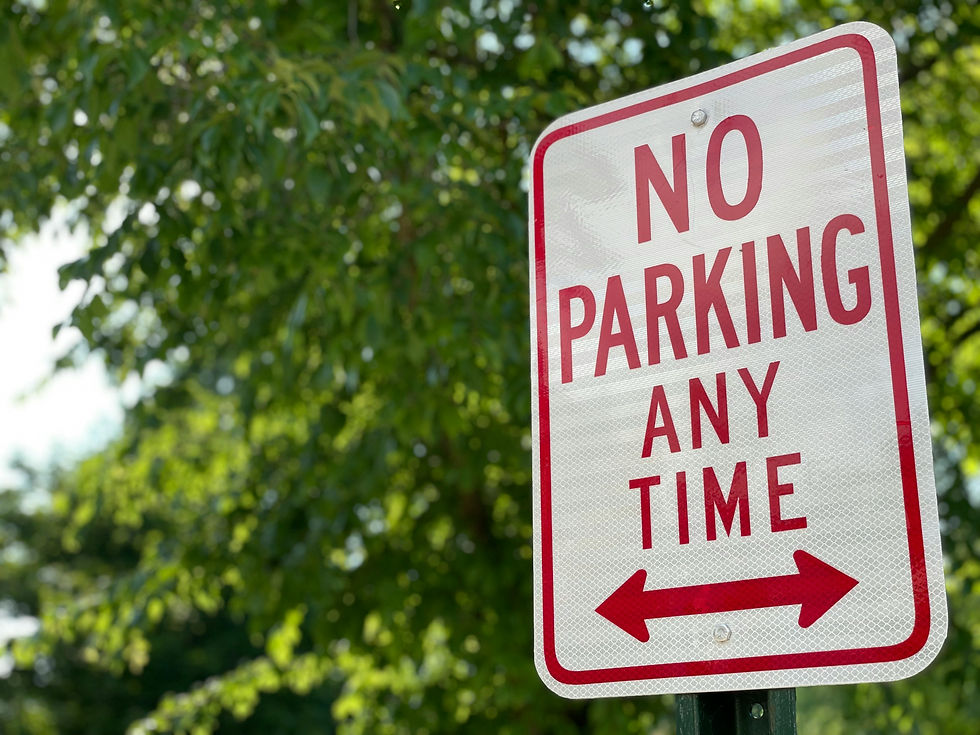
On Baker Street near his house, there were no parked cars at all. The usual blue board stood at the side of the road with the usual information on it: POLICE *NOTICE. NO PARKING. But nobody noticed the "NO PARKING" board when he *put it up in front of his house a few days ago.
"Our board is too small, so nobody notices it," said his wife. "Make a bigger board."
"A bigger board *won't make any difference. They will obey a police notice-board, but not a *private one," he said.
"Well," she said, "shall we make a notice-board like theirs? There's no law saying that people must not paint. Get the same size of materials, paint it blue, and then paint the same words on it in white."
"I can't use the word POLICE. I'm not the police," he said.
"You can easily remove that word. Put: NOTICE. NO PARKING. Nobody reads those notices so carefully, you know. People see the blue boards and go somewhere else."
"If there is only one word before NO PARKING, even a child will see the difference at once," he said.
After a few days he showed her a new notice-board. It was painted in white letters on blue. It had four words and it was exactly the same size as the police notice-boards.
"Oh!" she said. "But you told me that you can't use the word POLICE. That's exactly like their notice-boards."
"Look again," he said.
She started to laugh. "You're really clever. I didn't notice the difference at first."
He put it up at the side of the road. He smiled at the board saying "*POLITE NOTICE. NO PARKING."
The next day he was very happy to see no cars parked in front of his house.
(注)
moved 引っ越した
As usual いつものように
case 事例
NOTICE 警告
won't make any difference 重要ではない
parked 動詞 park「駐車する」の過去分詞
ended in ~という結果になった
put ~ up ~を立てる
private 個人の
POLITE 礼儀正しい
(1) 本文の内容と合うように英文を完成させるとき、次のア~エに続く最も適切なものを、1~4の中からそれぞれ一つ選び、その番号を書きなさい。
ア After Mr. Smith moved to a new house, he often got angry because
1 it took a long time for him to go to his office.
2 he couldn't eat lunch at home.
3 he couldn't park his car in front of his house.
4 he didn't have enough space for his car at his office.
イ Mr. Smith's wife told him that they should make a notice board
1 which the word POLICE was removed on.
2 which looked like a police one.
3 which was more colorful than a police one.
4 which was bigger than a police one.
ウ Mr. Smith didn't want to use the word POLICE because
1 he thought people would not obey a police notice board.
2 he didn't wanted to make a new notice board like a police one.
3 he didn't think people paid attention to it.
4 he wasn't the police.
エ When Mr. Smith's wife looked at a new board,
1 she didn't find the difference at once.
2 she suddenly began to laugh.
3 she was very happy to see it.
4 she found a change of the color.
(2) 本文の内容をふまえて、次の英文の( ア )~( ウ )に入る最も適切な語を、下の1~7の中からそれぞれ一つ選び、その番号を書きなさい。
Oliver Smith moved to a new house. He would get back home to eat lunch on weekdays. But he always had a problem. He couldn't park his car near his house, so his wife and he( ア )to make a new board. They carefully thought about what notice board was the best. His wife thought that they could use the word POLICE, but he didn't think so. After a few days he showed his wife a notice-board. She thought he was really( イ ). He made a wonderful notice-board by changing only one( ウ ).
1 kind 2 happened 3 strange 4 clever 5 decided 6 color 7 letter
(3) 下線部 no cars parked in front of his house. とあるが、その理由を日本語で説明しなさい。
第1パラグラフ(段落)
Oliver Smith *moved to a new house on Wilton Street some months ago. His house was not so far from his office. So, he was able to drive home for lunch on weekdays. Fortunately, the road in front of his house was a little wider and had enough space for parking. However, of course, other people also noticed that. As a result, many cars were *parked there. He always had no space for his own car in front of his house. So he had to park 50 meters away. It always made him angry.
be able to ~「~できる」
he was able to drive home for lunch
彼は昼食のために車で家に行くこともできた
指示語 that→前の文を指す
other people also noticed that
他の人もそのことに気づいていた
→the road in front of his house was a little wider and had enough space for parking
彼の家の前の道は少し広く駐車スペースが十分にあったこと
受け身(受動態)
be+過去分詞「~される」
many cars were parked there
たくさんの車がそこに駐車されていた
have to ~「~しなければならない」
he had to park 50 meters away
彼は50メートル離れた場所に駐車しなければならなかった
make A B(第5文型 SVOC)
「AをBにする」
It always made him angry
それはいつも彼を怒らせていた
第2パラグラフ
*As usual, he drove his car around the corner into Wilton Street and looked at the road outside his house. The road was crowded with more cars than usual. He had to look for a parking place for a long time. At last, he found a space but he had to park about 200 meters away. He *ended in giving up eating lunch at home and he decided to return to his office. A *case like this often happened to him.
受け身 be+過去分詞(形容詞)
※過去分詞は形容詞の働きをすることもある
The road was crowded with more cars
その道はより多くの車で混雑していた
比較級+than
The road was crowded with more cars than usual
その道は普段よりも多くの車で混雑していた
前置詞 like
A case like this often happened to him
このようなケースは彼によく起きていた
第3パラグラフ
On Baker Street near his house, there were no parked cars at all. The usual blue board stood at the side of the road with the usual information on it: POLICE *NOTICE. NO PARKING. But nobody noticed the "NO PARKING" board when he *put it up in front of his house a few days ago.
there be ~「~がある、いる」
there were no parked cars at all
駐車された車がまったくなかった
※there be no ~「~がない」
第4パラグラフ
"Our board is too small, so nobody notices it," said his wife. "Make a bigger board."
"A bigger board *won't make any difference. They will obey a police notice-board, but not a *private one," he said.
"Well," she said, "shall we make a notice-board like theirs? There's no law saying that people must not paint. Get the same size of materials, paint it blue, and then paint the same words on it in white."
"I can't use the word POLICE. I'm not the police," he said.
"You can easily remove that word. Put: NOTICE. NO PARKING. Nobody reads those notices so carefully, you know. People see the blue boards and go somewhere else."
"If there is only one word before NO PARKING, even a child will see the difference at once," he said.
After a few days he showed her a new notice-board. It was painted in white letters on blue. It had four words and it was exactly the same size as the police notice-boards.
"Oh!" she said. "But you told me that you can't use the word POLICE. That's exactly like their notice-boards."
"Look again," he said.
She started to laugh. "You're really clever. I didn't notice the difference at first."
He put it up at the side of the road. He smiled at the board saying "*POLITE NOTICE. NO PARKING."
The next day he was very happy to see no cars parked in front of his house.
前出の語の省略
They will obey a police notice-board, but not a private one
but not a private one →but they will not obey a private one
彼らは個人でつくった標識には従わないだろう
※代名詞"one"→不特定の同じもの
代名詞"it"→全くそれと同じもの
現在分詞の後置修飾
There's no law saying that people must not paint.
注意看板をかいてはいけないという法律はない
if(直説法)「もし~ならば」
If there is only one word before NO PARKING
「駐車禁止」の前にたった一言だけあれば
show A B(第4文型 SVOO)
「AにBを見せる」
he showed her a new notice-board
彼は彼女に新しい注意看板を見せた
※showの変化形
show(現在) showed(過去) shown(過去分詞)
受け身(受動態)
be+過去分詞「~される」
It was painted in white letters on blue
それは青地に白色の文字でかかれていた
tell A B(第4文型 SVOO)
「AにBを伝える」
※2つ目の目的語の部分が主語・動詞の文
you told me that you can't use the word POLICE
あなたは私に「警察」の語は使えないと伝えた
現在分詞の後置修飾「~している...」
He smiled at the board saying "POLITE NOTICE. NO PARKING."
彼は「駐車禁止の丁寧なお願いです」と伝えている看板に微笑んでいた
be 形容詞 to~「~して...」
he was very happy to see no cars parked
駐車された車がないのを見てとてもうれしかった
過去分詞の後置修飾「~された...」
cars parked in front of his house
家の前に駐車された車
(1) 本文の内容と合うように英文を完成させるとき、次のア~エに続く最も適切なものを、1~4の中からそれぞれ一つ選び、その番号を書きなさい。
ア After Mr. Smith moved to a new house, he often got angry because
1 it took a long time for him to go to his office.
2 he couldn't eat lunch at home.
3 he couldn't park his car in front of his house.
4 he didn't have enough space for his car at his office.
スミスさんが新居に引っ越した後、彼はよく怒っていた。なぜなら
1 彼が自分の仕事場に行くのに長い時間がかかったから
2 彼は家で昼食をとれなかったから
3 彼は家の前に自分の車をとめられなかったから
4 彼の仕事場には自分の車をとめる十分なスペースがなかったから
イ Mr. Smith's wife told him that they should make a notice board
1 which the word POLICE was removed on.
2 which looked like a police one.
3 which was more colorful than a police one.
4 which was bigger than a police one.
スミスさんの妻は夫に自分たちで注意看板をつくったほうがいいと伝えた。その看板は、
1 「警察」の語を除いた看板
2 警察の標識のように見える看板
3 警察の標識よりもっと色あざやかな看板
4 警察の標識よりもっと大きい看板
ウ Mr. Smith didn't want to use the word POLICE because
1 he thought people would not obey a police notice board.
2 he didn't wanted to make a new notice board like a police one.
3 he didn't think people paid attention to it.
4 he wasn't the police.
スミスさんは「警察」の語を使いたくなかった。なぜなら
1 彼は人々が警察の標識に従わないだろうと考えたから。
2 彼は警察の標識と同じような新しいものを作りたくなかったから。
3 彼は人々が「警察」という語に注意を払わないと思ったから。
4 彼は警察官ではなかったから。
エ When Mr. Smith's wife looked at a new board,
1 she didn't find the difference at once.
2 she suddenly began to laugh.
3 she was very happy to see it.
4 she found a change of the color.
スミスさんの妻が新しい看板を見たとき、
1 彼女はすぐに違いが分からなかった。
2 彼女は突然笑い始めた。
3 彼女はそれを見てとてもうれしかった。
4 彼女は色の変化に気づいた。
(2) 本文の内容をふまえて、次の英文の( ア )~( ウ )に入る最も適切な語を、下の1~7の中からそれぞれ一つ選び、その番号を書きなさい。
Oliver Smith moved to a new house. He would get back home to eat lunch on weekdays. But he always had a problem. He couldn't park his car near his house, so his wife and he( ア )to make a new board. They carefully thought about what notice board was the best. His wife thought that they could use the word POLICE, but he didn't think so. After a few days he showed his wife a notice-board. She thought he was really( イ ). He made a wonderful notice-board by changing only one( ウ ).
1 kind 2 happened 3 strange 4 clever 5 decided 6 color 7 letter
オリバー・スミスは新居に越してきた。彼は平日に昼食をとりに家に帰っていたが、彼はいつも問題を抱えていた。彼は家のそばに自分の車を駐車できなかった。それで妻と新しい看板をつくることを(ア)。彼らはどんな注意看板がいちばん良いのかをよく考えた。妻は看板に「警察」の語を使えると考えたが、彼はそう考えなかった。2、3日後、スミスは妻に注意看板を見せた。彼女は彼が本当に(イ)と思った。スミスはひとつの(ウ)を変えるだけですばらしい注意看板を作った。
ア 5 decided イ 4 clever ウ 7 letter(文字) ※
He would get back home
過去の習慣を表す"would"「よく~していた」
(3) 下線部 no cars parked in front of his house. とあるが、その理由を日本語で説明しなさい。
"You're really clever. I didn't notice the difference at first."
"POLITE NOTICE. NO PARKING"
人々が、スミスさんの作った看板を警察の標識と思い込み、駐車しなくなったから。
【 たむかい学習教室 】
教員経験20年 プロ講師による
完全マンツーマン指導
追加料金なし 安心の授業料で
手厚いサポート

塾生のホンネ
「数学や英語が苦手。何から始めたらいい?」
「長い問題文が苦手。どうしたらいい?」
「学校の授業で難しいことが増えてきた」
「受験が不安。テスト成績を上げていきたい」

完全1対1授業でホンネを解決!
★苦手の克服に最適★
★受験に強い個別指導★
★経験豊富な講師の一貫指導★
★安心の授業料で全力サポート★

★苦手の克服に最適★
5教科対応、完全マンツーマンで指導いたします。弱点を着実に克服でき、「わかる・できる」につながります。学校の授業が定着しやくすなり、成績アップも期待できます。
★受験に強い個別指導★
入試の出題範囲は広く、十分な対策時間と学習量が必要になります。受験に向けて、対策時間と学習量をしっかりと確保できるのは、完全1対1授業の強みです。
★経験豊富な講師の一貫指導★
教員経験20年の講師が確かなノウハウで、難解な内容もわかりやすく丁寧に指導いたします。初めての受講生からも「分かりやすい」「納得の解説」と好評です。
★安心の授業料で全力サポート★
入塾費や高額な教材費、授業料以外にいただく追加料金は一切ございません。安心の授業料で全力サポートいたします。
<1か月授業料(税込)>
90分授業:14,800円(月4回)
120分授業:17,600円(月4回)
(例)1回・90分授業の場合
教師1名・生徒3名の複数指導
→1名につき30分の個別指導
指導時間3分の1、実質料金は割高に。
↕
教師1名・生徒1名の完全個別指導
⇒完全90分の個別指導(当塾)
生徒1名に100%の指導時間
親御さんの声
「できる問題が増え勉強に自信がついたようで、期待感があります」
「苦手だった英語と数学が伸び始めたので、正直ホッとしています」
「成績の伸び幅と年間の費用を考えると、転塾して正解でした」
合格実績
八戸高 八戸東高 八戸北高 八戸西高 国立八戸高専 八戸工業高 八戸商業高 八戸工業大学第一高 八戸工業大学第二高 千葉学園高 八戸聖ウルスラ学院・英語科
八戸聖ウルスラ学院中学 八戸工大二高附属中学
指導実績
八戸市立第一中 第二中 第三中 長者中 根城中 白山台中 小中野中 白銀中 鮫中 大館中 東中 下長中 北稜中 是川中 南浜中 明治中 中沢中 八戸工大二高附属中 階上町立階上中 南部町立福地中 岩手県洋野町立大野中 久慈市立久慈中
八戸東高 八戸北高 八戸西高 仙台育英学園高ILC
吹上小 中居林小 柏崎小 長者小 根城小 新井田小 旭ヶ丘小 西園小 南郷小 角の浜小
今年度塾生35名(2026年1月現在)
「体験学習」を実施しています
通塾をご検討の方に無料体験学習を実施しております。
当日の学習科目は希望制です。小学生から中高生まで、ご要望にお応えできるよう授業を進めさせていただきます。

ご入塾までの流れ
体験学習(60分)
入塾をご希望の場合、
保護者面談の日程調整
↓
保護者面談(40分程度)
お子様の受講に関わるご説明
保護者の方からのご相談・ご要望
↓
受講開始手続き
体験学習・実施日時はこちら
塾生の声
苦手意識から「自信」へ
(中学3年)

今まで分からないことが多く、学校の授業についていけないことがあったり、テストで全く解けない問題もありましたが、先生から考え方や解き方を分かりやすく丁寧に教えてもらい、解ける問題が増えてテストの点数が大きく上がりました。この教室に通って、勉強に自信が持てるようになりました。
3年間の積み重ねで受験合格
(小学6年)

4年生の時から通い始めました。3年間の授業で、先生は分からない問題を理解しやすく、そしてやさしく教えてくれました。本当にこの塾で良かったと思っています。6年生の冬には、志望校の受験に合格することができました。一貫校に進むので、次は大学受験です。中学に上がっても、目標のためにこの塾で学んでいきます。
苦手の克服が高得点に
(高校1年)

苦手の英語を克服するために通い始めました。長文対策では、先生と一緒に音読練習や和訳などに繰り返し取り組み、テストでは高得点を取れるようになりました。通う前より、勉強の量だけでなく、勉強の質も上げることができました。他教科の苦手にも向き合って、「得意」に変えていけるよう、この教室で学習を続けていきたいです。
受講に関するお問い合わせ
ご相談はお気軽にお尋ねください

電話番号
050-3637-1500
電話受付 10:00-21:00
体験学習のお申し込みはこちら
住所
イオン田向店から車で1分
【周辺道路 車での所要時間】
八戸大野線
三陸道是川IC2分
パークホテル5分
八戸環状線
八戸道八戸IC8分
四本松交差点8分
10分圏内の地区
八戸市田向 吹上 南類家
中居林 石手洗 十日市
柏崎 青葉 類家 諏訪
長者 糠塚 沢里 根城
旭ヶ丘 新井田 妙
白山台 是川

2026.1.29 英文読解 高校入試対策④